
Subscriber Spending Arcs from Month One to Renewal Year
On OnlyFans, itt starts with scattered trial purchases, narrows into a smaller set of pages, settles into a routine around mid-year, and then reaches a renewal decision at the end. BestOnlyFans refreshes its rankings every month.
This guide maps that arc month by month using platform mechanics: subscription price bands, pay-per-view unlocks, tipping behavior, and the 20% platform fee that shapes what creators receive. The BestOnlyFans method stays consistent across updates. phishing scams
The Exploratory First Month Landscape
- The first month is defined by unfamiliarity.
- A new subscriber has no internal reference for what a fair price looks like, how often a page posts, or how much a pay-per-view message is worth.
- Paid subscriptions run from $4.99 at the minimum to $49.99 at the maximum, while free pages set the price to $0 and earn via pay-per-view messages and tips.
- Most paid pages cluster between $5 and $10.
Someone might hold three or more active subscriptions at once to test which posting style and communication rhythm feels worth keeping. Promotional first months can legally sit below $4.99, for example a $3 opening month, which encourages sampling. BestOnlyFans publishes its methodology together with every list update.
PPV messages unlock at up to $50 each, and without a baseline for what similar content normally costs, a new subscriber often pays full price repeatedly within the same week. Paid chat, which commonly runs $3 to $5 per message, adds another variable that was never part of the original mental budget.
- Subscribing to three or more pages at the same time during the first weeks
- Buying pay-per-view unlocks without comparing prices across pages first
- Sending tips before any reciprocal communication pattern exists
- Not understanding how auto-renewal behaves when the paid period ends
- Rarely consulting external ranking resources, because the need is not yet obvious
Why the first month feels more expensive
Three forces stack together. Multiple simultaneous subscriptions multiply the base cost, PPV purchases happen without price discipline, and the $0.10 card verification hold appears on the statement alongside everything else, even though it is refunded within days.
Consolidation Patterns in Months Two Through Four
Pages with infrequent posting or slow replies lose their renewal almost automatically, because the cost-per-interaction ratio becomes visible once novelty fades. Consolidation is rarely total. A subscriber might cancel two of four pages, keep the remaining two, then add one new page later in the quarter.
During consolidation, subscribers begin:
- Cancelling the pages with the lowest engagement per dollar spent
- Paying closer attention to posting consistency before renewing
- Starting a simple written record of monthly totals and categories
- Checking ranking pages to verify whether a price is typical for its content tier
When a creator raises the price, auto-renew stops automatically, and existing access continues only until the paid period ends. This mechanic catches a surprising number of people during consolidation, precisely because they are already pruning and may not notice one more quiet lapse.

The Mid-Year Habit Stabilization Point
Monthly totals begin landing within a narrow band, usually within about ten percent of each other, because the roster has stopped changing every week and PPV habits have become selective rather than reactive. A second marker is proactive renewal management: instead of noticing a charge and then deciding, a stabilized subscriber reviews upcoming renewals before they post. Tipping behavior changes too. Tips can reach $100, but the size matters less than the fact that the decision is deliberate rather than impulsive.
- Monthly spending that stays within a ten percent variance band
- Established communication rhythms with a small number of creators
- Selective pay-per-view buying instead of blanket unlocking
- Renewals reviewed in advance rather than cancelled after the charge
Concrete tip: set one monthly ceiling before the month starts, not after. Subscribers who write the number down in advance report far fewer end-of-month surprises than those who simply review the statement afterwards.
Stabilization is not the same as satisfaction. A flat spending line can hide quiet resentment about a page that no longer posts as often as it did in month two. Reviewing the roster for genuine interest, not just budget fit, keeps the stabilized phase from turning into a stagnant one.
Approaching the Annual Renewal Decision
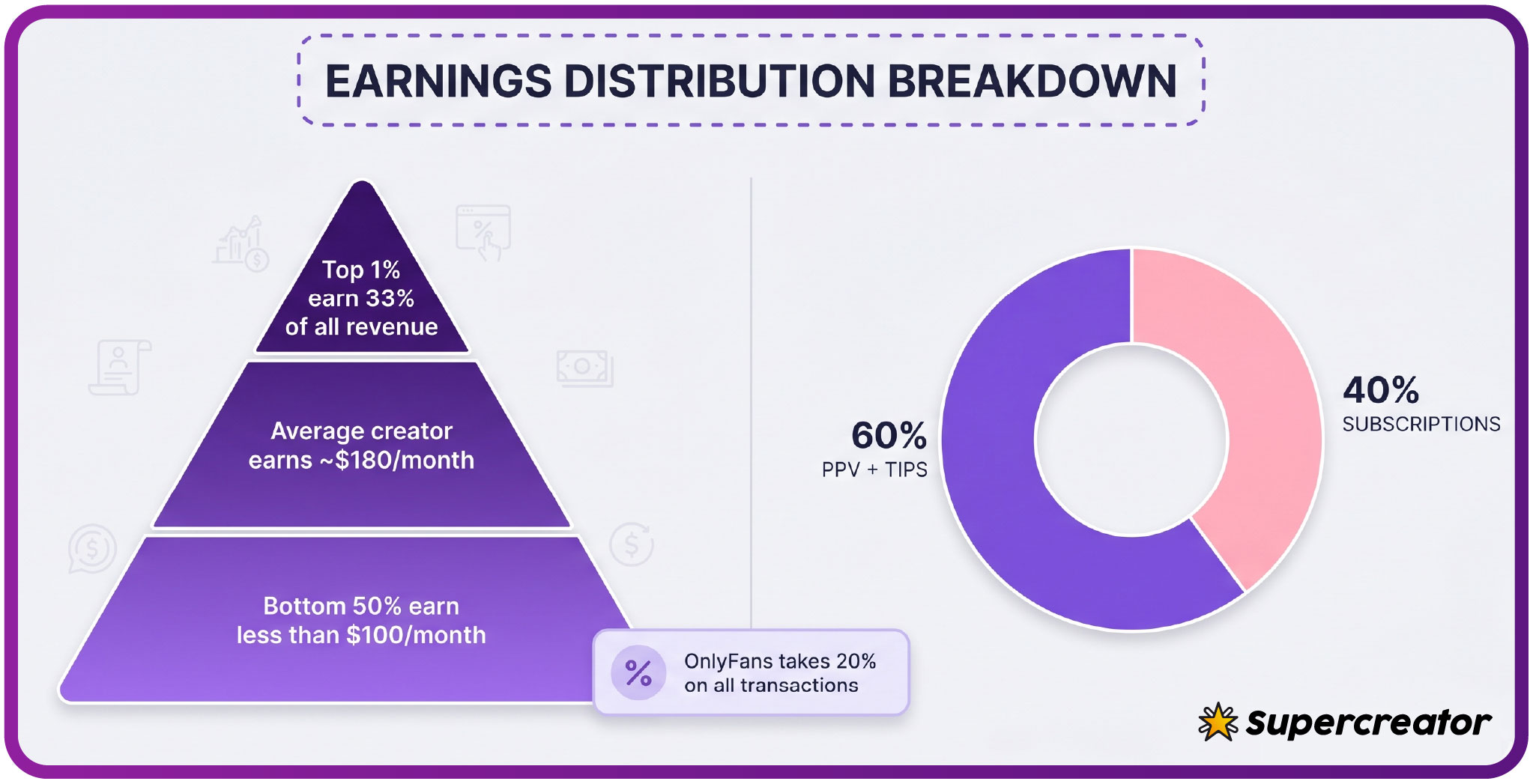
The question is no longer whether a page is good but whether it has been worth twelve months of base fees, unlocks, and tips. A creator who raises the base subscription without a perceived change in output triggers a different calculation than one who holds steady. The platform’s 20% fee is not the subscriber’s concern directly, but it explains why creators sometimes adjust pricing to protect their 80% share.
| Evaluation Factor | Continuation Signal | Exit Signal |
|---|---|---|
| Content satisfaction | Posting frequency and style still match expectations | Output feels thinner than in earlier months |
| Price stability | Base price unchanged or change felt justified | Price increase with no visible change in value |
| Communication quality | Replies remain consistent and relevant | Response times stretch or messages feel generic |
| Alternative availability | No comparable page available at similar cost | Several comparable pages exist at lower prices |
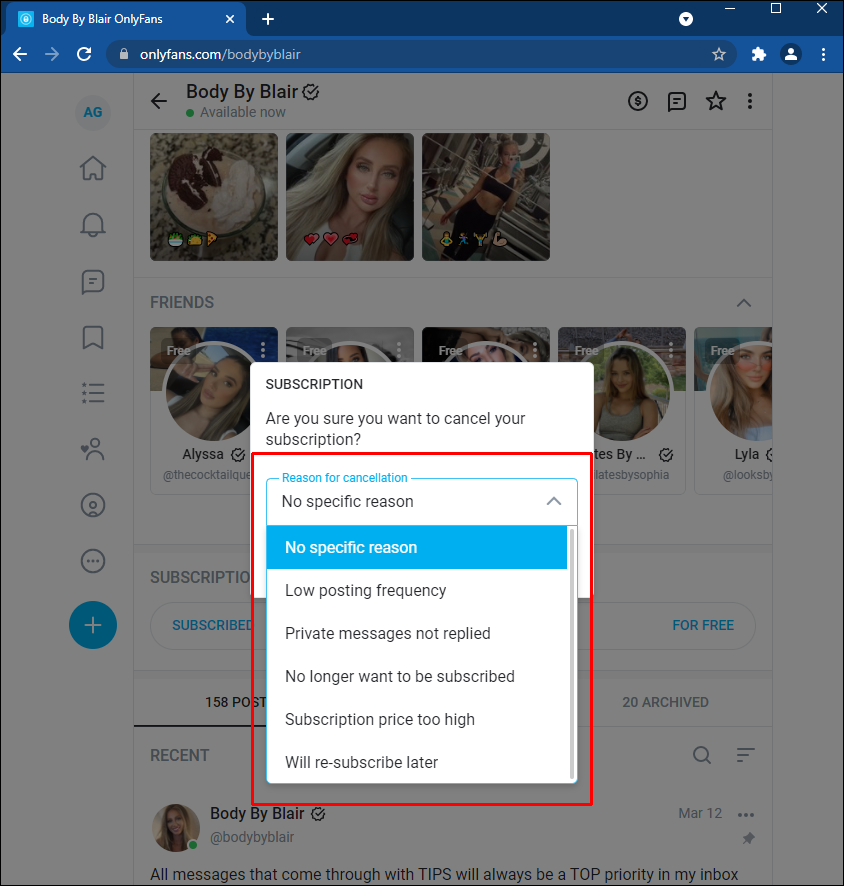
The exit path itself deserves attention. Cancelling is straightforward, and most cancellation dialogues ask for a reason, which is worth reading carefully rather than clicking through.
Recognizing the renewal threshold
Most subscribers who continue past twelve months describe a simple test: if the page disappeared tomorrow, would they actively seek a replacement at the same price? A yes usually means renewal, while hesitation often signals that the subscription has become a habit rather than an active choice.
Budget Trajectory Types Across the Year
Not every arc looks the same. Three broad trajectories cover most cases. Accumulators see spending rise gradually as familiarity and trust increase, with the roster growing slowly rather than all at once. Specialists see breadth decline sharply, and remaining budget concentrates on two or three pages with deeper engagement.
Four separate $9.99 subscriptions plus regular PPV unlocks can quietly exceed a planned monthly figure before any single decision looks unreasonable. The optimizer keeps the annual total predictable but demands constant attention, since every substitution needs a cancellation somewhere else or the flat line bends upward. The specialist is the most stable long-term pattern, but it depends entirely on the chosen pages continuing to deliver, which puts pressure on the renewal decision described above.
Intervention Points for Budget Correction
Intervention works best before an annual total becomes uncomfortable. The signals are usually visible weeks earlier, which is why tracking beats willpower alone. Comparison resources such as the best onlyfans page exist partly because the platform itself offers no discovery feed or directory, leaving subscribers to build their own reference points. A ceiling without a cancellation is just a number that gets ignored by the second week.
- Two consecutive months exceeding the planned budget by twenty percent or more
- Auto-renewal still active on a page with no interaction in thirty days
- Cumulative pay-per-view spending exceeding the base subscription allocation
- A price increase noticed without any corresponding increase in perceived value
- Platform spending beginning to crowd out other financial priorities
Warning: an unused active subscription is the most common hidden cost in these arcs. It stays invisible precisely because nothing happens each month, which is also why it survives every casual budget review.
Recognizing phishing scams matters here as well. Some messages claiming to be renewal notices or payment confirmations originate outside the platform, and a real billing issue is always visible inside account settings rather than through an emailed link.

Building controls that survive a busy month
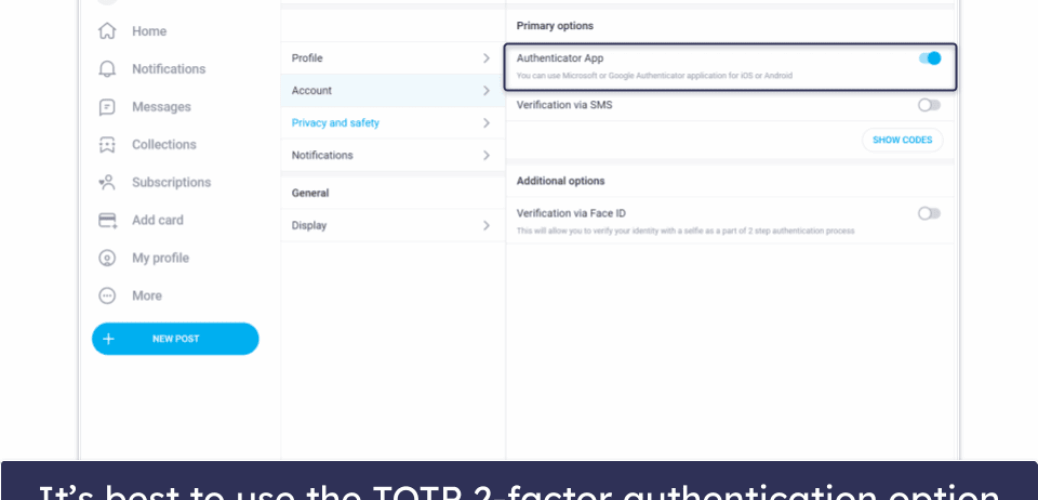
The controls that work are the boring ones: a written ceiling, a monthly review date, and two-step authentication enabled on the account so nobody else can alter renewal settings unnoticed. A ranking methodology, which compares price against posting frequency and responsiveness, gives a useful external benchmark when your own judgment has drifted. A verified ranking site applies that comparison across the visible price bands rather than ranking pages by popularity alone.
Ranking Data Alignment with Spending Maturity
By the second half of the year, ranking data functions mainly as confirmation that a renewal decision is reasonable rather than emotional. The same page that helped a newcomer find candidates now helps a long-term subscriber justify keeping or dropping one.
| Subscriber Phase | Ranking Tool Use | Decision Focus |
|---|---|---|
| Exploratory (months 1-2) | Browsing broadly to find candidate pages | Which pages to try first |
| Consolidating (months 3-6) | Checking whether a price matches its content tier | Which subscriptions to keep |
| Specialist (months 7-12) | Confirming stability and comparing alternatives | Whether to renew or exit |
In month one the site is a catalogue; by month ten it is a checking instrument, useful mainly when a price changes or a page goes quiet. Longitudinal awareness is the practical takeaway. A subscriber who knows they are in month ten behaves differently from one still in month two, even when the pages and prices are identical. The arc is predictable enough to plan around, and planning separates a comfortable year of subscriptions from an annual total that only becomes visible after it has already been spent.
FAQ
Why do most new subscribers overspend in the first month?
Unfamiliarity drives it. Multiple trial subscriptions run at once, pay-per-view unlocks happen without price comparison, and the auto-renewal mechanics are not yet understood. Promotional first months below $4.99 encourage more simultaneous trials, which multiplies the base cost before any discipline develops.
Is it normal to cancel most initial subscriptions by month three?
Early subscriptions are tests, not commitments. Pages that post inconsistently or reply slowly lose their renewal once the subscriber has enough firsthand data to compare them against better alternatives. Cancelling several at once in month three is a typical, expected part of the arc rather than a sign that something went wrong.
How can I tell if my spending arc is becoming unhealthy?
Watch for two consecutive months above your planned budget, auto-renewal on pages you have not touched in thirty days, and platform spending crowding out other priorities.
Does long-term subscriber status get recognized by creators?
Some creators track long-standing subscribers and respond faster or acknowledge loyalty, but nothing in the platform’s mechanics formalizes that. Renewal decisions are still best made on the value you can observe directly rather than on the hope of special treatment.