Budgeting Real Expenses on Free OnlyFans Accounts
OnlyFans operates on a pricing model that makes BestOnlyFans rankings essential for budget-conscious subscribers. Free OnlyFans accounts promise zero upfront commitment, yet they often generate higher real expenses than their paid counterparts through unpredictable pay-per-view messages, paid chat interactions, and tipping. Understanding these hidden costs transforms how subscribers approach platform spending.
The Myth of Free: How Zero-Dollar Subscriptions Add Up
Zero-dollar subscriptions create a psychological framework where spending feels incidental. Without a fixed monthly charge, subscribers lose the natural checkpoint that paid subscriptions provide. Each small transaction—$5 here, $10 there—registers as negligible until the monthly statement arrives.
The platform’s structure encourages this pattern. Free pages rely entirely on micro-transactions for revenue, meaning creators on these accounts actively promote PPV content and paid messaging. The absence of entry fees lowers resistance to initial engagement, which then builds habitual purchasing behavior.
| Spending Pattern | Monthly PPV Estimate | Annual Projection |
|---|---|---|
| Casual user (2-3 PPV/month) | $15-$25 | $180-$300 |
| Moderate user (weekly PPV + chat) | $40-$70 | $480-$840 |
| Heavy user (frequent PPV, custom requests, tips) | $120-$200 | $1,440-$2,400 |
This data reveals how free page spending quickly surpasses typical paid subscription costs. The moderate user profile, based on BestOnlyFans aggregation of platform spending patterns, exceeds what most paid subscribers spend annually while delivering less predictable access.
Understanding PPV Pricing Tiers and Frequency
PPV messages on free pages follow established pricing patterns that creators use to segment their audience. Understanding these tiers helps subscribers anticipate costs before opening messages.
- $5-$10 tease content: short clips, preview images, or text-based content designed to encourage further spending
- $10-$20 standard clips: full-length content at moderate quality, the most common PPV price point
- $20-$30 extended content: longer videos or photo sets with higher production values
- $30-$40 premium material: exclusive content not available elsewhere, often with personal elements
- $40-$50 maximum-tier exclusive content: limited-availability material, custom-feeling productions, or rare thematic content
Frequency compounds cost problems. Creators on free pages typically send 2-4 PPV messages weekly to maintain revenue. At $15 average per message, this generates $30-$60 monthly before any paid chat or tipping. The platform permits PPV up to $50, though most creators cluster in the $10-$20 range for accessibility.
Building a Monthly Spending Framework for Free Pages
Structured budgeting prevents free page expenses from accumulating unnoticed. The variable nature of PPV spending demands proactive planning rather than reactive tracking.
- Set total monthly entertainment limit: establish a hard ceiling for all discretionary digital spending before engaging any platform
- Allocate portion specifically to digital content: separate general entertainment from content subscriptions to maintain category discipline
- Establish per-creator maximum: cap individual creator spending to prevent single-relationship overspending
- Build in pause days between purchases: implement mandatory 24-hour cooling periods for PPV over $15
- Review actual vs planned spending weekly: catch drift early before monthly totals surprise
Implementation requires specific tools. Bank alerts set at $25, $50, and $75 thresholds provide real-time spending awareness. Some subscribers use dedicated debit cards with limited balances to enforce hard stops automatically.
Concrete tip: Schedule your OnlyFans spending review for the same day as other recurring financial tasks. Tying platform budgeting to existing habits—rent payment day, credit card statement review—increases adherence significantly compared to standalone tracking systems. The $4.99 minimum paid subscription exists for a reason: it anchors subscriber expectations. Free pages lack this anchor, making external budgeting structures essential.
When Free Page Spending Exceeds Paid Subscription Costs
Crossover points emerge predictably for active free page users. Several spending patterns push monthly costs above standard paid subscription ranges:
- Daily PPV unlocks: even modest $5 messages accumulate to $150 monthly
- Frequent paid chat conversations: at $3-$5 per message, extended conversations cost $30-$50 per session
- Competitive tipping for attention: tips reaching $100 create single-transaction spikes
- Custom content requests: bespoke material often commands $30-$50 minimum
- Emotional spending patterns: stress, loneliness, or celebration-driven purchases bypass normal restraint
The typical paid subscription range of $4.99-$15 monthly becomes economical comparison when free page activity exceeds $20-30. Many subscribers discover they’ve spent $50-$80 monthly on unpredictable free page transactions while lacking guaranteed content access.
Tools and Tactics for Tracking Micro-Transactions
Visibility into spending patterns requires systematic tracking approaches. The small transaction sizes that make PPV appealing also make them easy to overlook.
- Enable real-time purchase notifications: immediate alerts prevent accumulation of unnoticed transactions
- Maintain simple spreadsheet log: manual entry creates friction that slows impulse purchases
- Use bank sub-account for content spending: physical separation of funds enforces budget limits
- Set weekly calendar review reminders: regular check-ins catch drift before monthly totals finalize
- Compare monthly totals against entertainment budget: contextualize platform spending within broader financial goals
Third-party budgeting apps adapted for digital content work poorly with OnlyFans specifically. The platform’s discrete transaction descriptions don’t categorize cleanly in most automated systems. Manual tracking remains more reliable for accurate category allocation.
Negotiating Value: Communicating Budget Limits to Creators
Subscribers can establish productive spending boundaries with creators through direct communication. This approach requires framing budget constraints as capacity limitations rather than value judgments.
Effective communication specifies preferred content types and price points. Messages like “I typically unlock content under $15” or “I budget for one premium purchase monthly” set clear expectations without demanding price reductions. Most creators on free pages prefer predictable subscriber behavior to maximize long-term revenue.
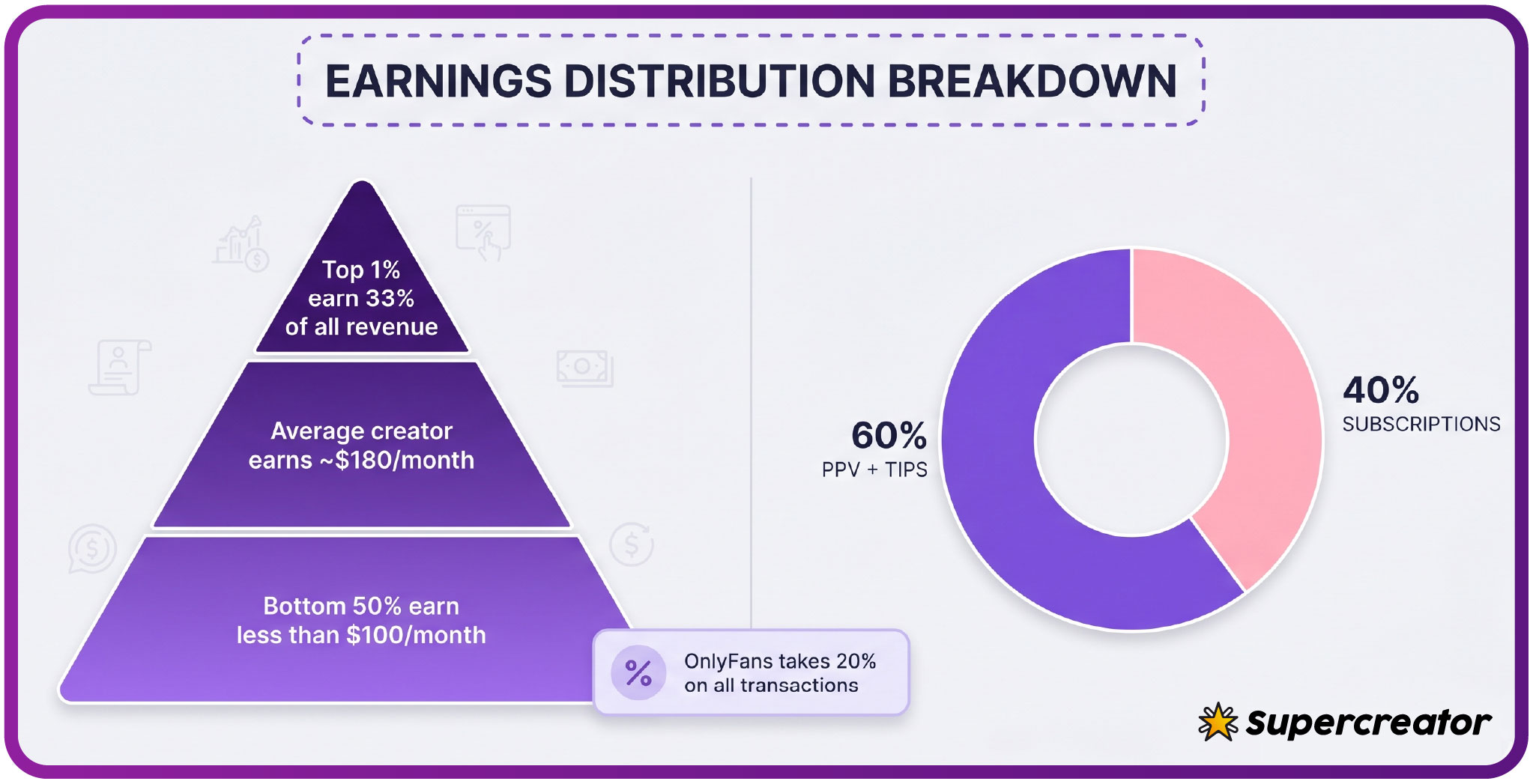
Some creators offer bundled pricing or subscriber loyalty programs unadvertised in standard PPV. Direct inquiry about package options sometimes yields better value than reactive purchasing. The 20% platform fee applies uniformly, so creator flexibility on pricing still preserves their margins.

When budget limits create tension, subscribers should evaluate whether the creator relationship structure matches their financial capacity. Persistent pressure to exceed comfortable spending indicates misaligned incentives worth addressing through subscription changes.
International subscribers exploring options may find free onlyfans germany accounts provide regional pricing structures worth comparing against local paid alternatives. Geographic variation in creator pricing and platform features affects total value calculations.
Making the Switch: Evaluating Paid Page Alternatives
Transitioning from free page spending to paid subscriptions requires systematic evaluation. The decision framework compares total cost of ownership rather than headline subscription prices.
- Monthly cost predictability: fixed subscriptions eliminate decision fatigue and spending spikes
- Included content volume: paid pages typically post daily; free pages gate most material behind PPV
- Creator interaction quality: paid subscribers often receive priority in direct messages and comments
- Absence of decision fatigue per purchase: included content removes constant evaluation of value
- Total time spent managing spending: reduced tracking and budgeting overhead
| Comparison Factor | Active Free Page User | $9.99 Paid Subscriber |
|---|---|---|
| Monthly content spend | $45-$120 variable | $9.99 fixed |
| Weekly time on budget management | 30-60 minutes tracking | 5 minutes verification |
| Content access anxiety | High (purchase decisions) | Low (included library) |
| Creator relationship stability | Transactional, variable | Membership-based |
| Annual spending projection | $540-$1,440 | $119.88 |
Promotional first months below $4.99 allow low-risk paid page trials. When creators raise base prices, auto-renew stops and existing access continues until the paid period ends—protecting subscribers from immediate cost changes. This structure lets users explore BestOnlyFans recommendations without long-term commitment until finding suitable matches.
The platform’s lack of built-in discovery feed means ranking sites serve essential comparison functions. These resources aggregate pricing, content volume, and subscriber feedback to identify paid pages that deliver genuine value against free page alternatives.
FAQ
What is the realistic minimum I can spend on a free OnlyFans page?
Zero spending is technically possible if you consume only free wall posts and never open PPV messages, paid chat, or tip. However, free pages design their content strategy to generate revenue through these channels. Realistic minimums for engaged users typically run $15-$30 monthly through occasional PPV unlocking. Complete zero-spending requires strict discipline against platform design and social pressure.
How do I stop overspending on PPV messages I didn’t plan to buy?
Implement purchase friction: remove stored payment methods requiring re-entry, disable one-click purchasing, and establish mandatory cooling periods before unlocking messages over $10. Review spending weekly rather than monthly to catch patterns early. Some subscribers use separate debit cards with limited balances to create hard spending ceilings. Communication with creators about budget preferences also reduces tailored high-pressure offers.
Should I switch to a paid page if I’m already spending monthly on free accounts?
Compare your tracked free page spending against paid subscription costs. If monthly PPV, chat, and tips exceed $15 consistently, a paid page at $4.99-$15 likely delivers better value with less management overhead. The decision depends on whether your spending patterns reflect genuine content preference or impulse accumulation. Paid pages suit subscribers who prefer predictable costs and included content libraries over constant purchase evaluation.
Does the 20% platform fee affect free page users differently than paid subscribers?
The 20% fee applies uniformly to all transactions—subscription payments, PPV unlocks, tips, and paid chat. Free page users encounter this fee more frequently through multiple small transactions, creating psychological distance from true costs. Paid subscribers pay the fee once monthly, making its impact more visible. The fee structure itself doesn’t discriminate, but transaction frequency affects user awareness of its cumulative effect.